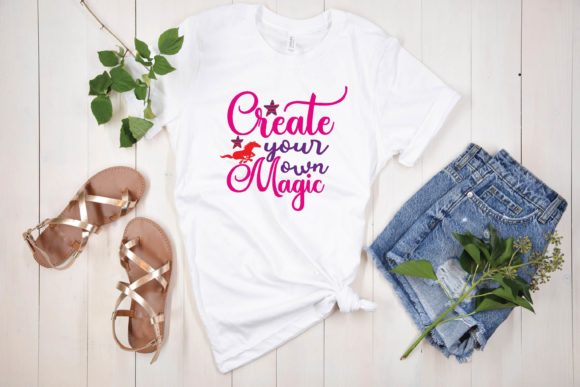
Review: Create Your Own Magic Svg for Real Embroidery
I have spent years reviewing digital assets for embroidery projects, sifting through thousands of files to find those that actually translate well from a screen to a needle. When I first encountered Create Your Own Magic Svg, my initial reaction was one of curiosity. The title suggests a whimsical, personalized approach, which is often where the most successful handmade products live. However, as an experienced designer, I do not judge a file by its marketing copy alone; I judge it by how it behaves under the hoop on real fabric.
This review focuses on the practical application of this design. We are moving past the basic product description and looking at how Create Your Own Magic Svg performs when stitched into custom apparel, tote bags, or boutique merchandise. If you are a small business owner, an Etsy seller, or a crafter looking to elevate your finished product, you need to know if this design holds up in the real world.
The First Impression: Mood and Visual Personality
Before a single stitch is placed, the visual language of the design sets the stage. Create Your Own Magic Svg carries a distinct energy. It feels playful yet professional, making it an ideal candidate for items intended to evoke joy or wonder. The layout appears balanced, suggesting that it will sit comfortably on a variety of garments without overwhelming the wearer or looking lost on a large canvas like a sweatshirt.
For a designer, the "magic" theme implies a specific type of customer. This is not a stark corporate logo; it is a piece meant for personal expression. Whether you are creating a gift for a child's birthday or a unique item for a holiday market, the design naturally invites customization. It works best when paired with high-quality threads that can capture the nuances of the lines. The visual personality is versatile enough to fit into nursery decor, but strong enough to stand out on a heavy-duty tote bag used daily.
Real-World Application: From Screen to Stitch
Let me walk you through a scenario I recently considered while planning a new line of boutique products. Imagine preparing a custom embroidered tote bag for a local craft fair. You want something that catches the eye immediately. I ran Create Your Own Magic Svg through my digitizing workflow to see how it would translate.
The design shines on stable fabrics. On a sturdy cotton canvas tote, the lines would likely render with crisp definition. The potential for using satin stitches for outlines creates a polished, premium look that customers associate with quality. If applied to a baby onesie, the soft curves of the magic motif would complement the gentle nature of infant wear perfectly. Similarly, on a sweatshirt, the design could serve as a focal point on the chest or a subtle detail on the sleeve.
I also considered its use as a decorative patch. For a small shop selling branded merchandise, Create Your Own Magic Svg could be digitized as an applique design or a dense fill stitch patch. This adds a tactile dimension to the product, increasing the perceived value. A customer buying a hat with this embroidered detail is buying more than just headwear; they are buying a statement of creativity. The design fits seamlessly into the category of T-Shirt Designs and Graphics because it offers that same graphic appeal but with the added texture of thread.
Navigating Challenges: Where Caution is Required
No design is perfect for every situation, and honest evaluation requires acknowledging where Create Your Own Magic Svg might struggle. My primary concern lies with small hoop sizes. If the design contains intricate details or tiny lettering within the "magic" text, stitching these on a 4x4 inch hoop could result in loss of clarity. The needle density might cause the fabric to pucker if the stabilizer is not chosen correctly.
Textured fabrics present another hurdle. While the design looks great on smooth cotton, applying it to a heavily textured linen or a fuzzy fleece could obscure the finer points of the artwork. The contrast between the thread and the fabric background is critical. On dark fabric, you will need a high-density underlay to ensure the colors pop, whereas on light fabric, you must be careful not to let the underlay show through. Stretchy fabrics, such as jersey knits, require extra care; without proper stabilization, the "magic" effect could become distorted as the fabric stretches during wear.
Curved surfaces like caps are always tricky. While the design has the potential to look great on a cap, the curvature can compress the details. I recommend testing the placement carefully before committing to a full production run. Additionally, if the design includes very fine lines intended to look like sparkles or magical dust, these may disappear entirely if the stitch length is too long or the thread tension is off.
Practical Designer Notes for Success
To get the best results from Create Your Own Magic Svg, I advise following a strict testing protocol. Always test the design on scrap fabric that matches your final project material. This allows you to observe how the stitch density interacts with the weave of the cloth. Check the thread colors against both light and dark backgrounds to ensure visibility. If you are planning to sell finished items, confirm the licensing terms immediately. Ensure you have the right to sell the finished product and not just the digital file.
Inspect the small details closely. Are there any corners that might tear out? Is the text legible at the intended size? Review the file in black and white mockups to check the flow of the design without color distractions. Using the proper stabilizer is non-negotiable; for a design like this, a cut-away stabilizer often provides the necessary support for longevity, especially for items that will undergo frequent washing.
Impact on Product Value and Brand Trust
In the world of handmade goods, presentation is everything. A well-executed Create Your Own Magic Svg elevates a simple item into a memorable gift. When a customer receives a personalized pillow cover or a custom apron featuring this design, the quality of the embroidery signals professionalism. It builds trust in your brand and encourages repeat business.
For an Etsy seller or a small shop product creator, this design asset is valuable because it offers a unique selling proposition. It allows you to offer personalized gifts that feel bespoke. The versatility of the design means you can adapt it for various occasions, from holiday embroidery projects to wedding gifts. However, the key to maintaining this value is consistency. Ensure that every item leaving your workshop meets the same high standard of stitch quality.
If you are creating a printable mockup for your online store, make sure the digital representation accurately reflects the texture of the embroidery. Buyers need to visualize the raised stitch work to appreciate the craftsmanship. A flat image does not convey the same allure as a photo of the actual embroidery project.
Final Thoughts on Design Viability
Create Your Own Magic Svg is a compelling choice for designers who understand the balance between whimsy and technical execution. It is not merely a decorative element; it is a tool for storytelling. Whether you are working on commercial embroidery for a larger client or crafting a handmade product for a loved one, this design offers a solid foundation.
Remember to verify the specific file formats and compatibility with your cutting software machines like Cricut or Silhouette before starting your workflow. While the design is marketed as compatible with many tools, the transition from cutting to stitching requires precise setup. By treating this file with the respect it deserves—testing thoroughly, choosing the right materials, and paying attention to detail—you can transform a digital download into a tangible masterpiece. This is how you turn a simple embroidery file into a signature piece of art that resonates with your audience.